
Stone types and key minerals – an overview
When selecting natural stone for a project, appearance is often the first thing people notice. However, beneath the surface lies a story millions of years in the making. The minerals that make up a stone, and the geological processes that formed it, play a significant role in a stone’s strength, durability and suitability for different applications.
Understanding the mineralogy of these stones allows us to correctly identify stone types, predict their behaviour, and provide more informed recommendations for testing and specification.
The main rock types
All natural stone belongs to one of three major groups:
1. Sedimentary rocks2. Igneous rocks3. Metamorphic rocks
Each of these rock types are formed through a different geological process, resulting in the unique mineral compositions, textures, and properties of the different stone types.
Sedimentary Rocks
Sedimentary rocks are formed when sediments (fragments of older rocks and minerals) are transported by water or wind before being deposited. As additional layers build up, the sediment becomes compacted and over time, secondary minerals grow between the sediment grains and cement the rock together.
Common sedimentary dimension stones include:
Sandstone
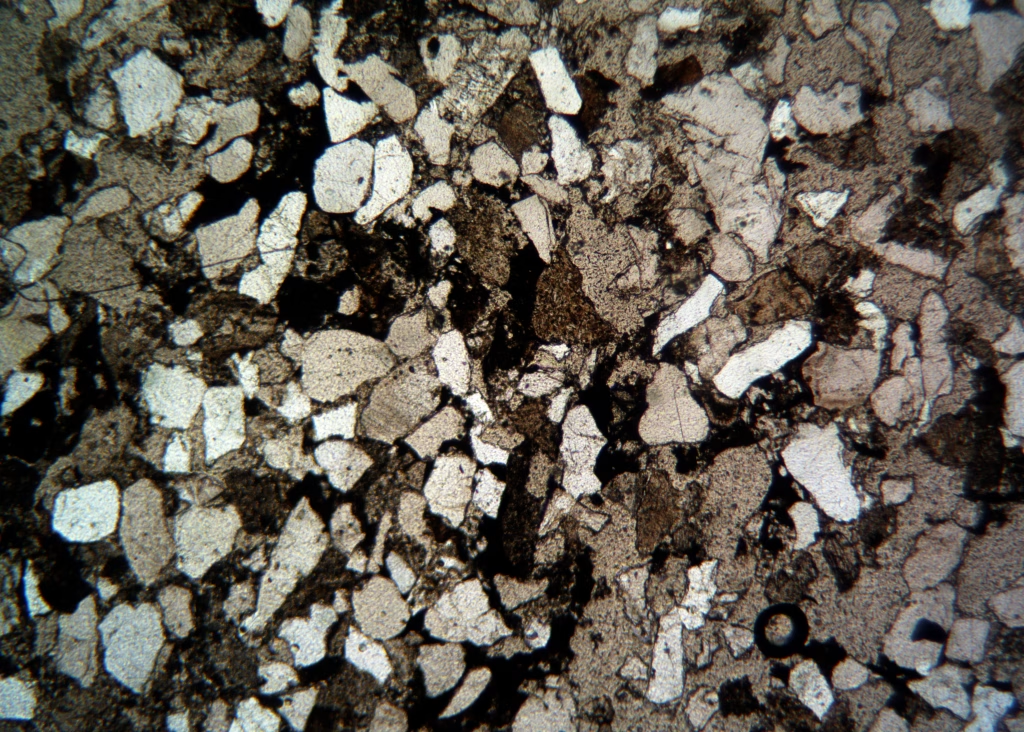
Sandstone, as the name suggests is primarily composed of detrital quartz grains, also known as sand. Alongside quartz, sandstones may also contain varying quantities of other minerals, such as feldspars, micas, clay minerals and iron oxides. These trace mineral impurities are responsible for the different colours seen in commercial sandstones (Image 1).
Limestone
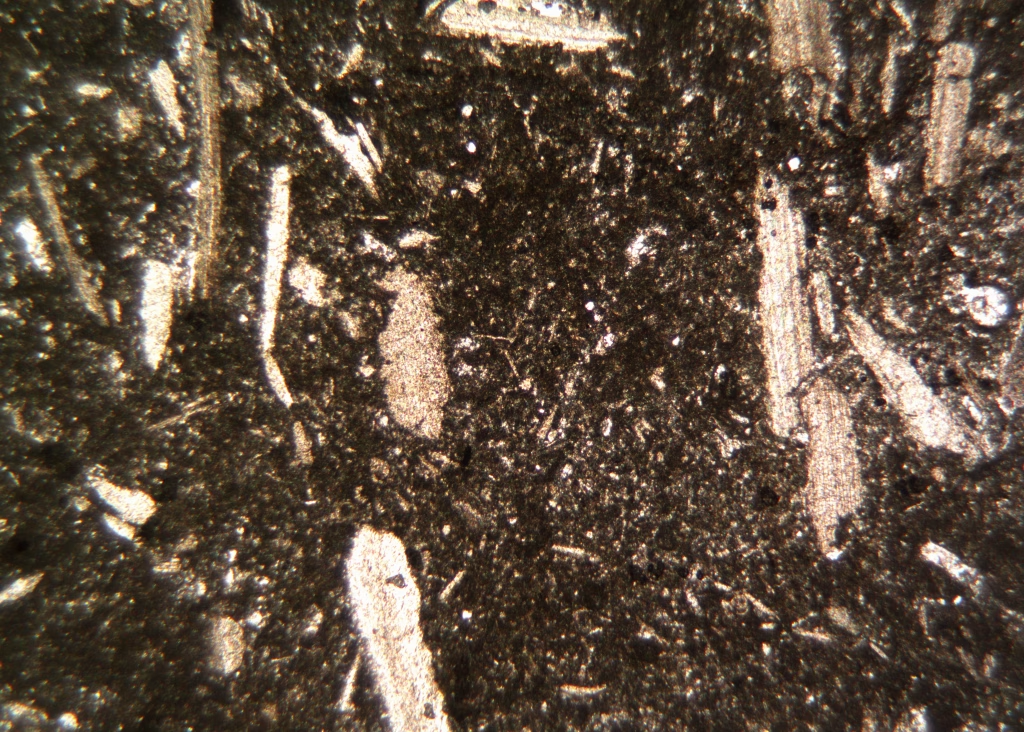
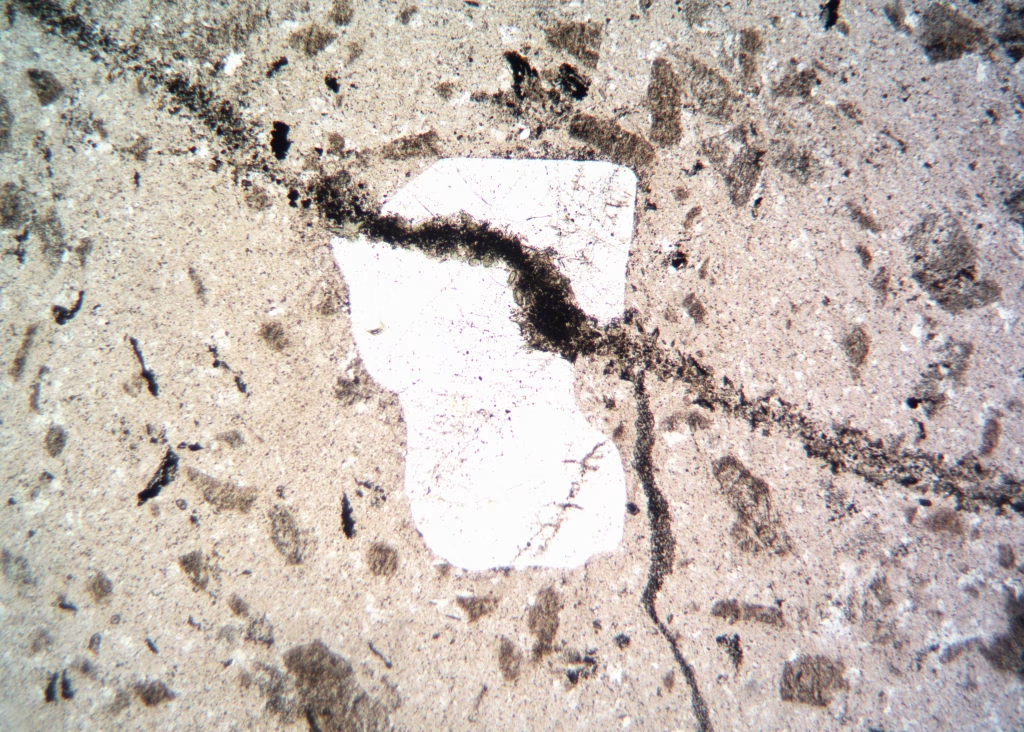
Limestone is the most common carbonate stone type, most often comprised of either calcite (CaCO3) or dolomite (CaMg(CO3)2). Depending on the environment in which the limestone formed, the carbonate in the stone may be derived from various sources, such as fossil fragments (shells), ooids (small spherical carbonate grains) or even microscopic marine organisms (foraminifera) (Image 2).
Travertine
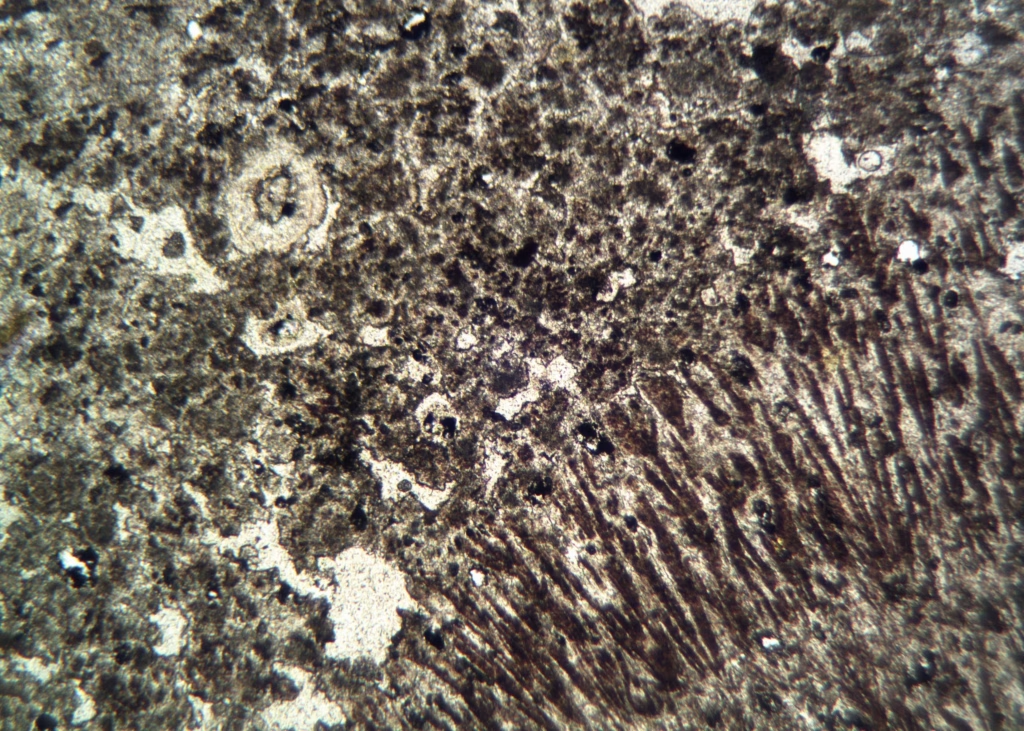
Travertine is what is known in geology as an evaporite, as it forms when fluid that is saturated in calcium-carbonate evaporates, leaving behind the dissolved carbonate as calcite. Travertine dimension stone is commonly quarried from ancient river systems and hot springs (Image 3).
Igneous Rocks
Igneous rocks are formed from the cooling and crystallization of magma in underground chambers (intrusive) or on the surface after an eruption (extrusive).
The rate of cooling determines the stone’s texture:
- Slow cooling beneath the Earth’s surface produces coarse-grained rocks with large crystals (e.g. Granite or Gabbro)
- Rapid cooling near or at the surface creates fine-grained or glassy rocks (e.g. basalt, porphyry or obsidian)
Notably, igneous rocks exist on a sliding scale, rather than at fixed compositions. Variations in the temperature, silica content (SiO2) and iron content (Fe) of the liquid magma results in the crystallization of different minerals. Iron rich (mafic) magmas tend to crystallize dark or green minerals such as amphiboles, pyroxenes and olivine while silica rich (felsic) magmas often crystallize light coloured minerals such as feldspars and quartz.
Common igneous dimension stones include:
Granite
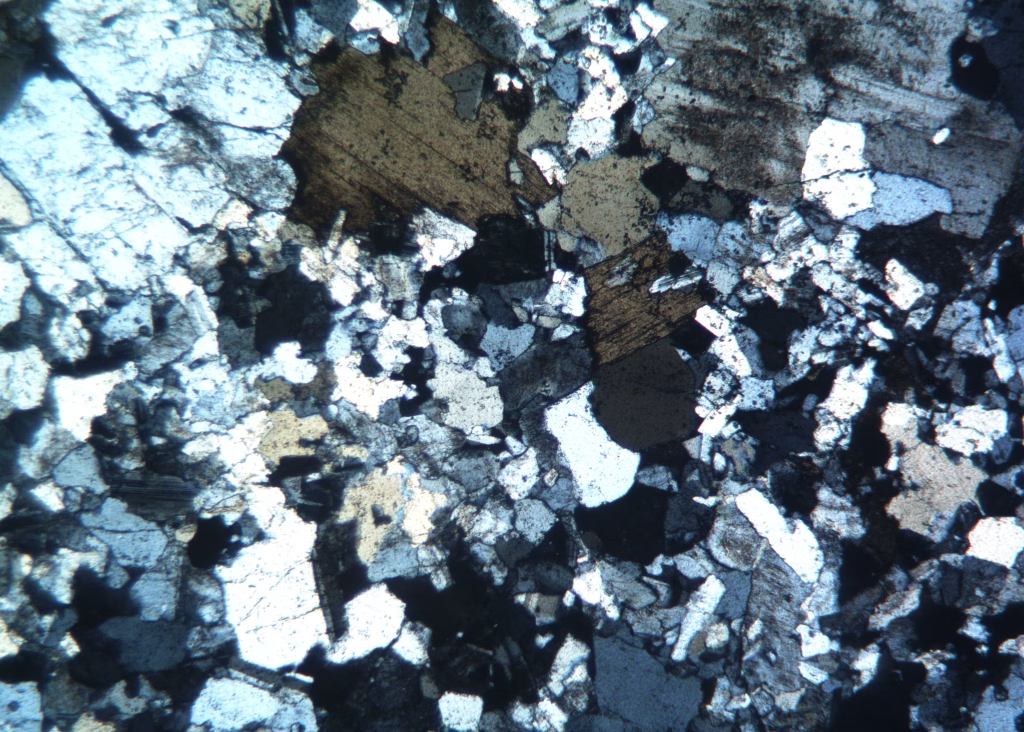
True granite forms from silica-rich (felsic) magma and commonly contains quartz, feldspars and mica minerals. As the magma cools deep underground, the minerals are able to freely grow, resulting in the coarse grained, interlocking crystals seen in granites (Image 4).
Rhyolite (Porphyry)
Similarly to granite, rhyolite also forms from silica-rich (felsic) magmas. Unlike granite, rhyolite erupts from underground before the crystallization process has finished, and in turn, has a notably finer grain size. Rhyolite will often contains vessicles (pores) alongside quartz and feldspars within a microcrystalline matrix of flash cooled magma (volcanic glass) (Image 5).
Gabbro (Black Granite)
Although marketed as "black granite," gabbro is mineralogically very different from a true granite. Formed from the slow cooling (intrusive) of iron-rich (mafic) magma, gabbro commonly contains minerals such as amphiboles, pyroxenes, plagioclase feldspar and olivine.
Basalt (Bluestone)
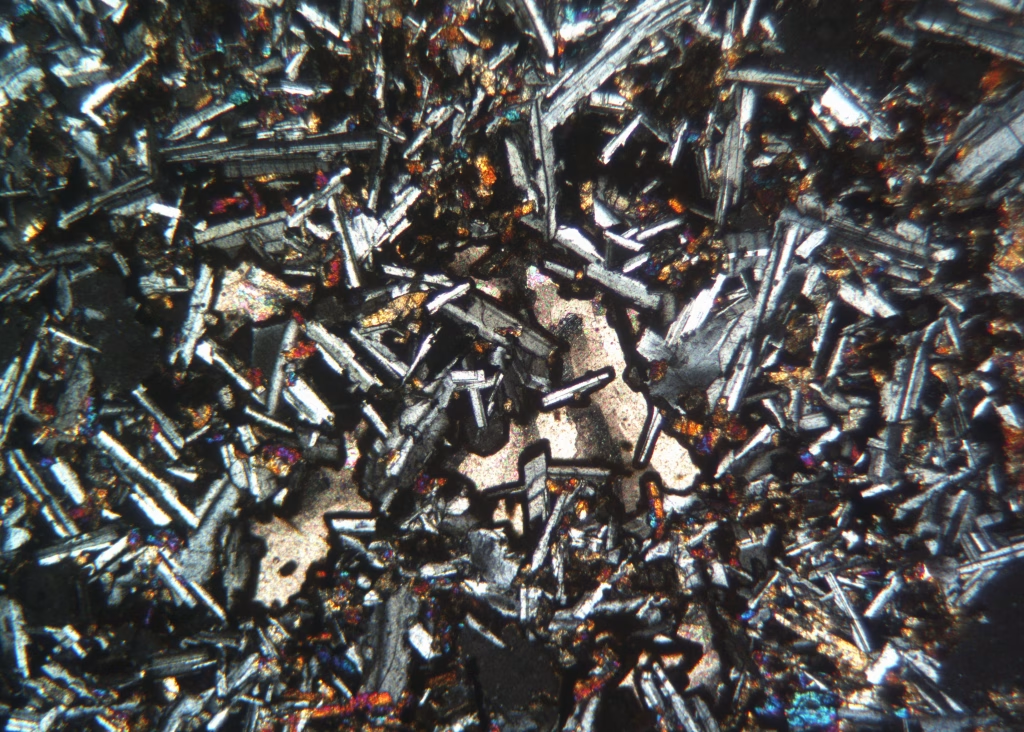
Basalt, commonly marketed as bluestone in Australia, forms from rapidly cooled (extrusive) iron-rich (mafic) eruptions. Basalts typically contain plagioclase feldspar, pyroxenes and amphiboles with a matrix of volcanic glass (Image 6).
Metamorphic Rocks
Metamorphic rocks begin life as another type of rock, before being transformed by heat and pressure deep within the Earth’s crust. During metamorphism, minerals can recrystallize and react with one another to form a variety of new minerals, creating a stone with entirely different textures and properties than what it started as (the protolith).
Examples include:
Quartzite
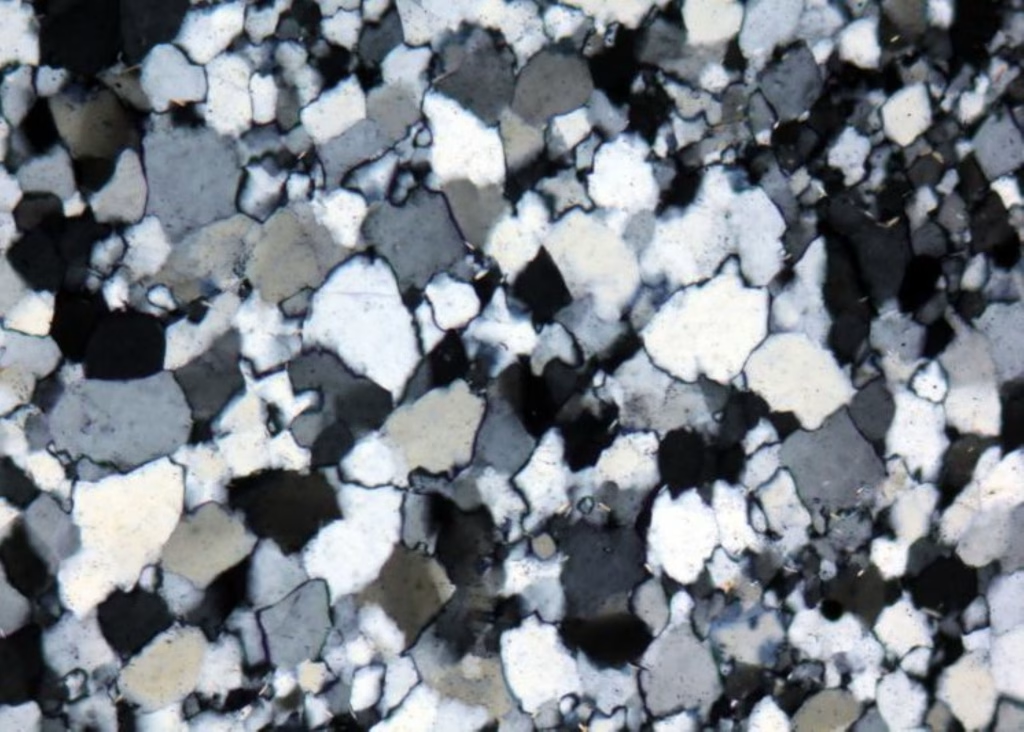
Quartzites are formed from the metamorphism and recrystallization of sandstones. This process results in a much stronger and denser stone type, as the individual quartz grains recrystallize into an interlocking network (Image 7).
Marble
Marble is formed from the recrystallization of carbonate minerals found in limestone. Much like quartzite, these recrystallized grains come together to create a strong network of interlocking crystals. The veining and swirling patterns often associated with marble are often trace quantities of clays that have been metamorphosed into mica minerals.
Slate
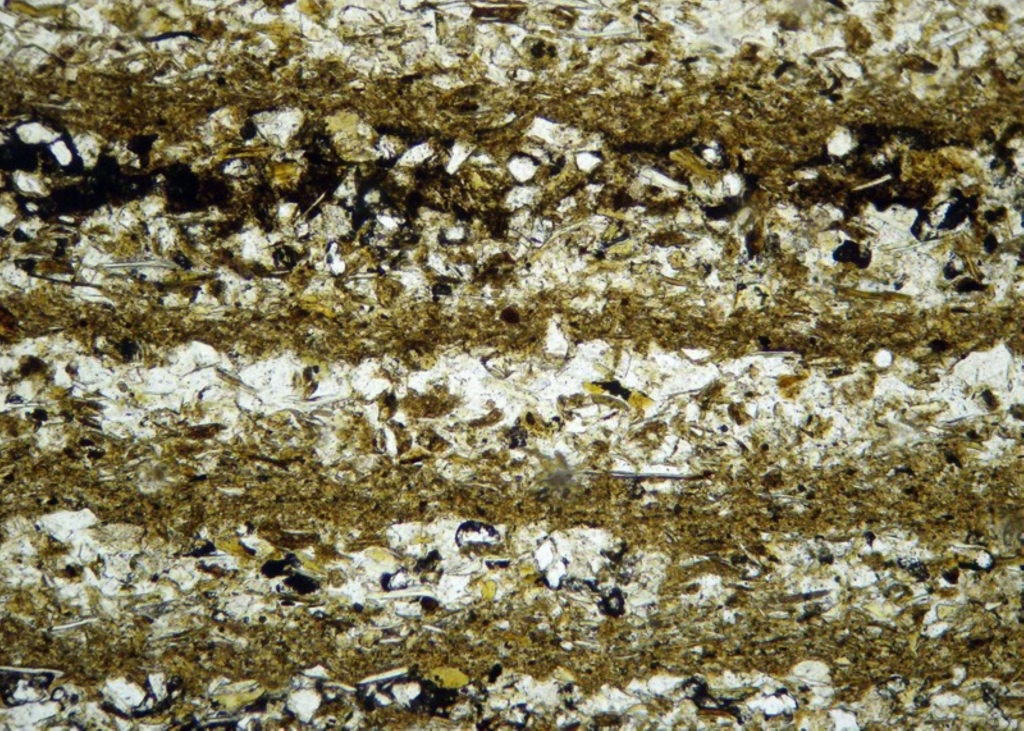
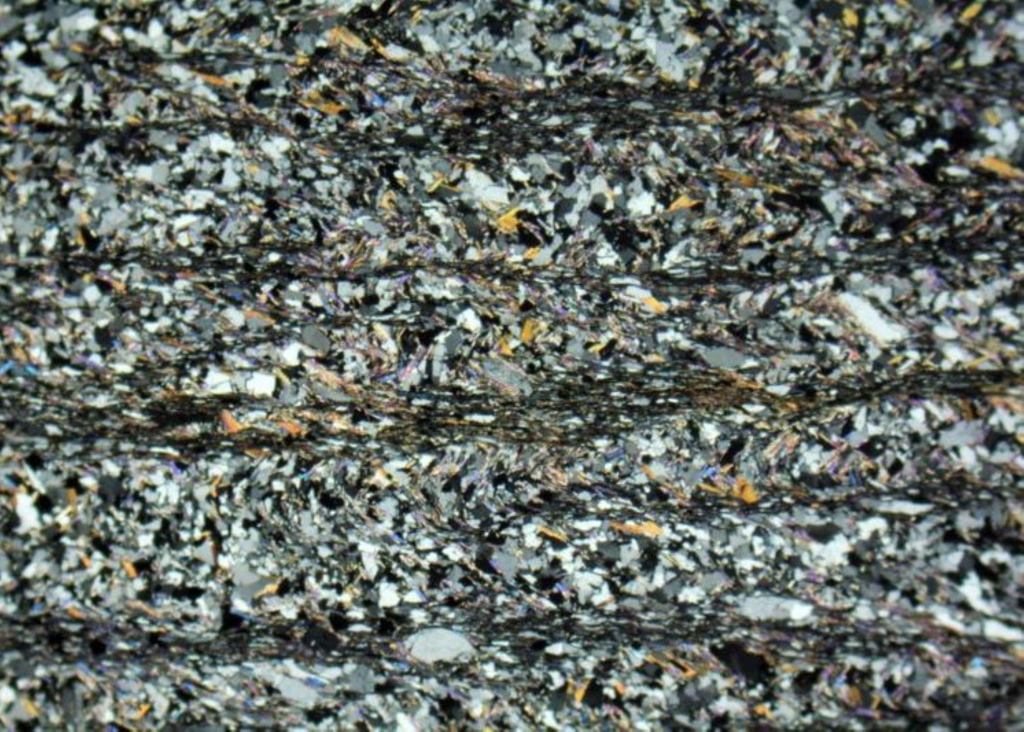
Slate forms from fine grained, sedimentary rocks with a high proportion of clay minerals such as mudstones or siltstones. During metamorphism, these clay minerals transform into micas (biotite and muscovite), becoming realigned into sheets and creating the characteristic rift that allows slate to split easily into thin layers (Image 9).
Serpentinite (Green marble)
Unlike most metamorphic rocks, serpentinite is formed when high temperature ultramafic rocks (such as peridotite) reach the earth’s surface. Due to the unstable nature of olivine at surface conditions and its affinity to react with water, serpentine minerals form through the low pressure and temperature reaction of olivine with water. Many varieties of serpentinite have been noted to contain naturally occurring asbestiform minerals, making mineralogical identification particularly important for this type of stone.
Final thoughts…
Why Mineralogy Matters
Correctly identifying a stone type involves far more than just recognising its appearance. Mineralogical analysis provides valuable insight into a stone’s composition, behaviours and likely performance.
At Stone Initiatives, petrographic analysis and quantitative techniques such as X-ray diffraction (XRD) help accurately identify stone types, determine mineral composition and investigate performance issues. This information supports stone specification, quality assessment, durability investigations and the selection of appropriate laboratory testing.
Every Stone Has Its Own Story
Although stone types are categorised into different sub-categories based off texture, formation and composition, nature rarely fits perfectly into our pre-defined categories. Geological processes create countless variations, often within the same geologic unit. This means every piece of natural stone is unique, with its own individual composition and history.
By understanding the mineralogy and formation processes of stone, we gain a much deeper understanding of how it will perform once in service. This is why scientific analysis remains an essential part of selecting the right material for every project.
Ted Schmaal
Geologist / Materials Testing Specialist
Specialising in mineralogical examination